


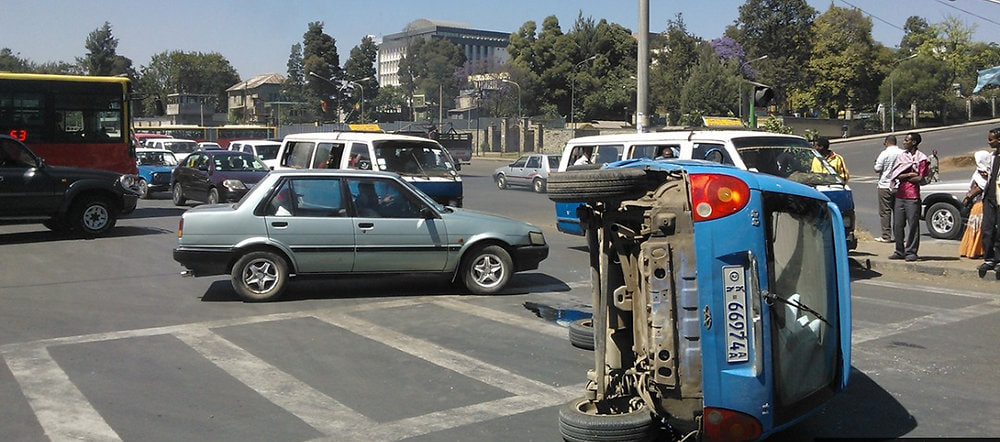
Every day on the radio and television, routine announcements deliver the same grim reality: “Another fatal traffic accident has claimed lives.” It has become a standard backdrop to daily life. However, public health statistics show that behind every digit in those mounting numbers is a life cut short—a young person with potential, a family shattered by sudden grief, and a community left with a lasting wound. In Ethiopia, road crashes have escalated beyond isolated incidents into a major public health crisis. Yet, media headlines and public conversations almost always point the finger at individual driver error or pedestrian carelessness. Public health data suggests that to truly stop this preventable loss of life, analysis must look past individual blame and interrogate the deeper systemic, infrastructural, and policy factors that make roads dangerous.
According to data from the World Health Organization (WHO), road traffic crashes are now the leading cause of death globally for children and young people aged 5 to 29. Tragically, the African region carries a disproportionate share of this burden. While road fatalities are gradually declining in other parts of the world, Africa remains the only region where they continue to rise. In developing nations like Ethiopia, safety analysts attribute this crisis to a dangerous mix of unforgiving road infrastructure, weak regulatory enforcement, and critical gaps in policy implementation.
When a crash occurs, the immediate reaction is often to blame a speeding driver or an inattentive pedestrian. While human behavior and negligence play a documented role, transport researchers raise a tougher question: Are the roads designed to protect human life? The reality in major urban centers is that infrastructure often isolates pedestrians. Safety assessments point to a severe lack of designated sidewalks, dark streets missing basic lighting, and absent crosswalks that force drivers and pedestrians into a chaotic, hazardous environment. For instance, urban planners note that expecting pedestrians to cross wide, high-speed transit corridors without accessible pedestrian bridges or traffic-calming measures is an infrastructure deficit rather than a personal error. Experts argue these tragedies are effectively built into the design of transit systems long before they happen on the tarmac.
Regulatory and enforcement systems face equally critical gaps. Policy analysts point to the lack of transparency and rigorous quality control in issuing driver’s licenses, coupled with inconsistent vehicle safety inspections, which allows high-risk elements onto the grid. Furthermore, traffic law enforcement remains largely manual, heavily reliant on individual officers rather than modern technology like speed cameras. According to regulatory studies, this creates gaps in enforcement, allowing dangerous driving habits to go unchecked and making it difficult to systematically lower risk.
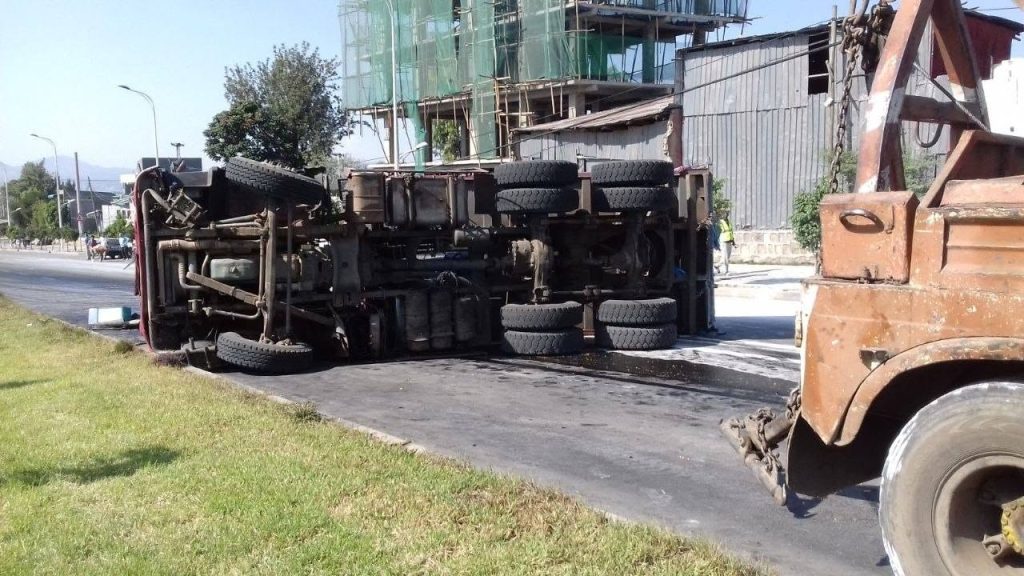
To address this challenge, transportation and safety experts emphasize the need to transition from reactive blame to proactive engineering and policy enforcement. Advocates of the “Safe System Approach” argue for designing roads that accommodate all users—including pedestrians, cyclists, and people with disabilities—not just motor vehicles. Engineering studies show that installing speed bumps, clear signage, and visible crossings near schools, markets, and hospitals serves as a simple, life-saving structural fix.
In this regard, urban development experts explicitly highlight that the inclusive road infrastructure initiatives recently started in Ethiopia, particularly in its capital Addis Ababa and some regional cities, serve as vital examples that must be heavily encouraged, supported, and scaled up across the entire nation to systematically reduce traffic fatalities.
Alongside inclusive design, transportation specialists emphasize the importance of modernizing enforcement through technology. Implementing automated speed radars and traffic violation cameras has been proven to reduce human bias and ensure traffic rules are strictly respected. Furthermore, urban planners advocate for data-driven governance, utilizing localized crash data to map out “blackspots”—high-accident zones—so that municipal authorities can target those specific areas with immediate structural repairs and targeted policing.
Ultimately, public health researchers and policy analysts argue that road safety can no longer be treated as an inevitable consequence of transit growth or a minor transportation issue. Instead, they call for a paradigm shift that treats road safety as a core national public health priority. According to global safety experts, addressing this crisis requires moving away from individual blame and focusing on implementing forgiving infrastructure alongside robust, institutional policy enforcement to systematically protect citizens.
The Amharic version is here.
Senior Journalist and Social Media Manager







ምላሽ ይስጡ